

13,478 balls checked: Lump Lottery gets Kiwi men taking action
The Lump Lottery has driven thousands of Kiwi men to check their balls, with 13,478 balls checked during Testicular Cancer Awareness Month.
Testicular cancer is the most commonly diagnosed cancer in teenage boys and young men in Aotearoa New Zealand, most often affecting those aged 15 to 44 – but can occur at any age. Around 182 men are diagnosed with testicular cancer each year, and approximately 6 will die from the disease.
Supported by Testicular Cancer NZ and JAC, the Lump Lottery campaign turned a simple health message into clear action. In total, 6,739 people completed a check, 898 people found a lump, and 274 sought medical help.
The campaign used a simple idea: offer men an incentive to do the health check many avoid. Christchurch-based Isaac Weir, aged 20, checked his balls after watching the campaign’s online how-to video, and is now the winner of a brand-new JAC ute.
During April, the campaign set out to make monthly testicular self-checks as normal for men as breast self-examinations are for women. The message was direct, practical and deliberately hard to ignore.
Lump Lottery was a humorous, straight-talking initiative designed to get men to act. It was simple and tactical: go to the Lump Lottery website, watch a short “how-to” video from a Testicular Cancer NZ expert, check yourself, answer yes or no to finding a lump, and go in the draw to win a brand-new JAC ute.
Peter Dickens, Testicular Cancer NZ Chief Executive, says the results showed humour can be a powerful tool when it is used with a clear purpose.
“Lump Lottery was a humorous but straight-talking initiative designed to get men to act. It was simple, tactical and it worked. We know men are often slow to check their own health, and even slower to follow up when something feels wrong. This campaign gave them a reason to start, and the results show they did,” says Dickens.
https://www.lumplottery.co.nz
https://testicular.org.nz/
https://jac.co.nz/
Media Contacts
Katharine Broughton
Katharine.broughton@omc.com
Tel: +64 275 495 277
Peter Dickens
Prostate Cancer Foundation of NZ | Testicular Cancer New Zealand
peter.dickens@prostate.org.nz
Tel: +64 274 445 779
Notes to Editors
About Testicular Cancer New Zealand – Mate Pukupuku Raho Aotearoa (TCNZ)
Testicular Cancer NZ, Mate Pukupuku Raho Aotearoa is the dedicated testicular cancer arm of the Prostate Cancer Foundation of New Zealand – Te Kahui Mate Pukupuku Repe Tātea o Aotearoa Manatōpū – providing vital support, education and information to individuals, their families and whānau across Aotearoa New Zealand affected by testicular cancer. Services the charity provides for those affected include a nurse-led information service, free professional counselling, and patient grants. For more information: www.testicular.org.nz
About JAC
JAC is a premium Chinese truck brand with over 60 years of export history and a strong reputation as a commercial specialist. The flagship JAC T9 is a top-spec 4WD auto ute, currently available in New Zealand for $49,990 drive away, including tow bar and 1,000km RUC, and is among the country’s safest utes with a 5-star ANCAP safety rating, 3.2T tow capacity, and 1045kg payload. JAC New Zealand’s range also includes 100% electric and Cummins diesel light-duty trucks used by leading Kiwi operators such as Mainfreight, Woolworths, CityCare Property, KiwiHarvest, and Fieldays®, and is proudly backed by a Kiwi-owned team.


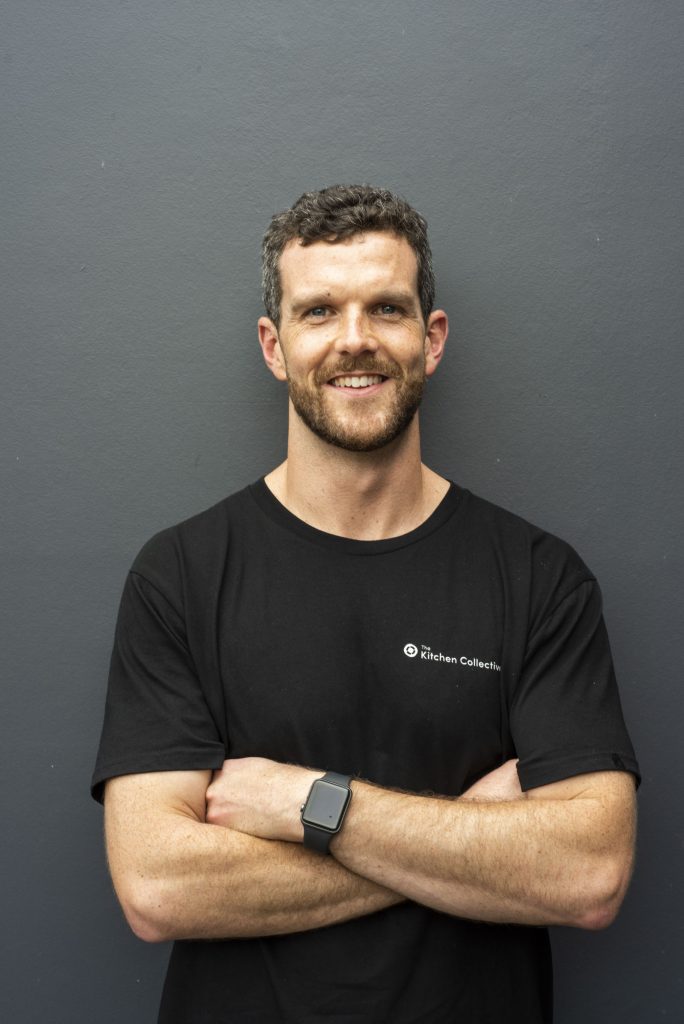
A conversation can change a life
Harrison Stott was living an active, healthy life when a moment of irritation during a marathon in Oslo changed everything. After noticing a lump, he did what many men do — waited, hoping it would resolve on its own. When he finally saw a doctor, the lump was initially dismissed as a common cyst. An ultrasound “just as a precaution” revealed something far more serious. As Harrison recalls, “They found four tumours, plus the cyst that was unrelated.” Within two weeks, he was undergoing surgery to remove a testicle. Fortunately, the cancer hadn’t spread, but the emotional impact was immediate and overwhelming. “When they mentioned the word cancer… I shut down,” he says. The months that followed brought anxiety, fear around check‑ups, and the long process of adjusting to life after treatment.
Harrison’s experience also highlighted how little many men know about their own health. He hadn’t been doing regular self‑checks and didn’t feel confident recognising what “normal” should feel like. The information he received from clinicians was thorough, but he often felt he “should have already known” much of it. Sharing what he learned ended up saving someone close to him — one of his younger brothers was later diagnosed with testicular cancer after Harrison encouraged him to get checked.
What made the biggest difference for Harrison was connecting with other men who had been through the same thing. Those conversations helped him feel understood, grounded, and less alone. Today, he openly shares his story in the hope that it encourages other men to speak up, check themselves, and reach out for support. “If you put yourself out there even a little, you’d be surprised how many people have a relatable story,” he says. “Talking about it can genuinely help someone — maybe even save their life.”